
Creating Company Culture in Volume Photography Studios
Updated: Feb 13
By Cassie Rodgers
When I first entered the photography industry, I was a solo photographer for a church directory company. I traveled long distances alone and worked grueling hours, often overnight jobs at random, mediocre hotels. My youthful energy was high and although the days were long, the steady stream of families was a welcome way to stay connected to people. Proofs were printed onsite and sold by the salesperson assigned to the job. Given the isolation of my role, building camaraderie was challenging.
A Studio Full of Energy
I was at that company for four months before an opportunity came up to work for a local portrait photography studio, and the change was welcome. No more lonely long drives or overnights in small-town hotels. This studio covered weddings, corporate work, portraits, and school photography, and it had its own in-house lab. These were the days of hand negative retouching, spot touchups, and numbering proofs with Sharpies. Because the studio was so multi-faceted, most of the photographers also filled day roles, in sales, the lab or processing orders.
It was refreshing to be in an office surrounded by people my age and a community of like-minded artists. Photography was our livelihood, while creativity extended far beyond the workplace through side jobs, passion projects, and artistic hobbies.
We were a tight group. We spent time together after hours and on weekends. We had fun parties, snapping artsy Polaroids before that was trendy. We practiced portraiture together in the studio, sharing ideas, tips, and feedback. When we worked a wedding, we'd often meet up afterward for a drink.
How Things Have Changed
Now, 25 years later, it’s hard to believe how much has changed. There’s no in-house lab, which means fewer staff on site. Production and photography tasks are separated rather than shared. We no longer photograph weddings, and our focus is largely on schools, which means most of our staff is out in the field.
With much of our team being seasonal, there’s naturally more turnover, making it harder to build stronger bonds. My role at the studio is also different now. I’m not in my 20s now and am a grown up with a family. Still, when I look at our younger coworkers, I feel nostalgic.
Creating Company Culture Takes Intention
While reminiscing about those good old days, it hit me how much effort it takes to maintain culture through all of these changes. Nowadays, seasonal staff can sometimes go through an entire season without meeting everyone on the team.
That makes it even more important to bring people together and give them a sense of connection not just to the business but to one another. Shared values, shared goals, appreciation, and recognition matter. We want our group to grow, to feel supported, build trust and to share their talents. That doesn’t happen by accident anymore, it takes intention.
How We Build Culture Today
Over the past several years, we’ve worked hard to create that connection for our freelance seasonal staff by hosting quarterly events along with casual gatherings for our core in-office team.
During the summer months, we host weekly barbecues. We provide the food, and anyone who wants to contribute is welcome. One of the owners and a department head love to grill, so they take charge, and everyone benefits.
We also incorporate video training before in-person sessions to help people get a little more oriented to us and our company ethos. Watching the videos at their own pace allows new staff to come into training feeling confident, prepared, and as though they know us a bit already. During in-person training, we provide lunch to create casual downtime where people can connect. We use icebreakers, mix groups, and interweave seasoned staff with newer team members throughout the activities and training process.
All of that helps but what really pulls it all together in building our culture are the quarterly events we host. It gets harder during peak season, but we still prioritize making them happen. Our events have included escape rooms, where teams compete to see who can escape the fastest, karaoke and photo booth parties, because when you give a photographer a camera, you get a lot of pictures, murder mystery nights, and easygoing happy hours at a local pub with drag bingo shared appetizers and an open tab.
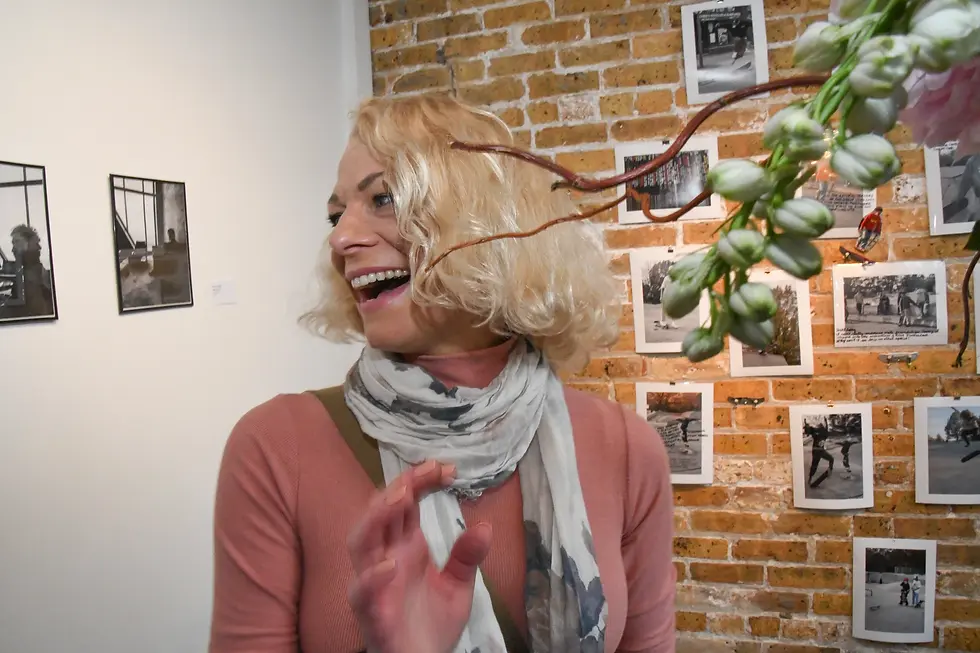
One of our favorites was an art gallery night, where we invited anyone on the team to submit a few pieces of their own work. It was a fully curated and planned gallery show, complete with an opening night. Seeing everyone’s unique talents, both in photography and beyond, was incredibly fun and meaningful.

Most recently, we planned a volunteer opportunity where team members cooked dinner for 35 people at a local homeless shelter. Many of these events can be done on a budget and still be a big hit. The goal is simple; bring people together and build real connections.
Whenever possible, we encourage staff to bring a guest. It’s a small thing, but it often helps people feel more comfortable and welcomed. We consistently hear genuine thank-yous and appreciation afterward, which tells us we’re on the right track.
What It’s All About
We just hosted a dinner party with some of our seasoned photographers and department heads. It’s our annual post-season wrap-up, feedback, and appreciation dinner. We keep the “work” portion short, spending just a little time recapping what went well and where there’s room for improvement.
As a primer, our owner asked everyone, “What do you think we stand for as a company?” I expected the answers to center around our client mission statement—quality, creativity, and the like. But as people started sharing, I was truly touched. Words like family, home, legacy, and community came up.
Several people shared how much they appreciate the effort we put into bringing everyone together—that we don’t have to do this, but that it feels intentional and really stands out to them.
I love creating the space for the next generation to build their own memories, relationships, and sense of belonging. Creating company culture looks different than it used to, but when it’s built with intention, care, and consistency, it can still be just as meaningful.
So I’m curious, what do you do to create company culture in your business? We’d love to hear what’s worked for you.
Comments